
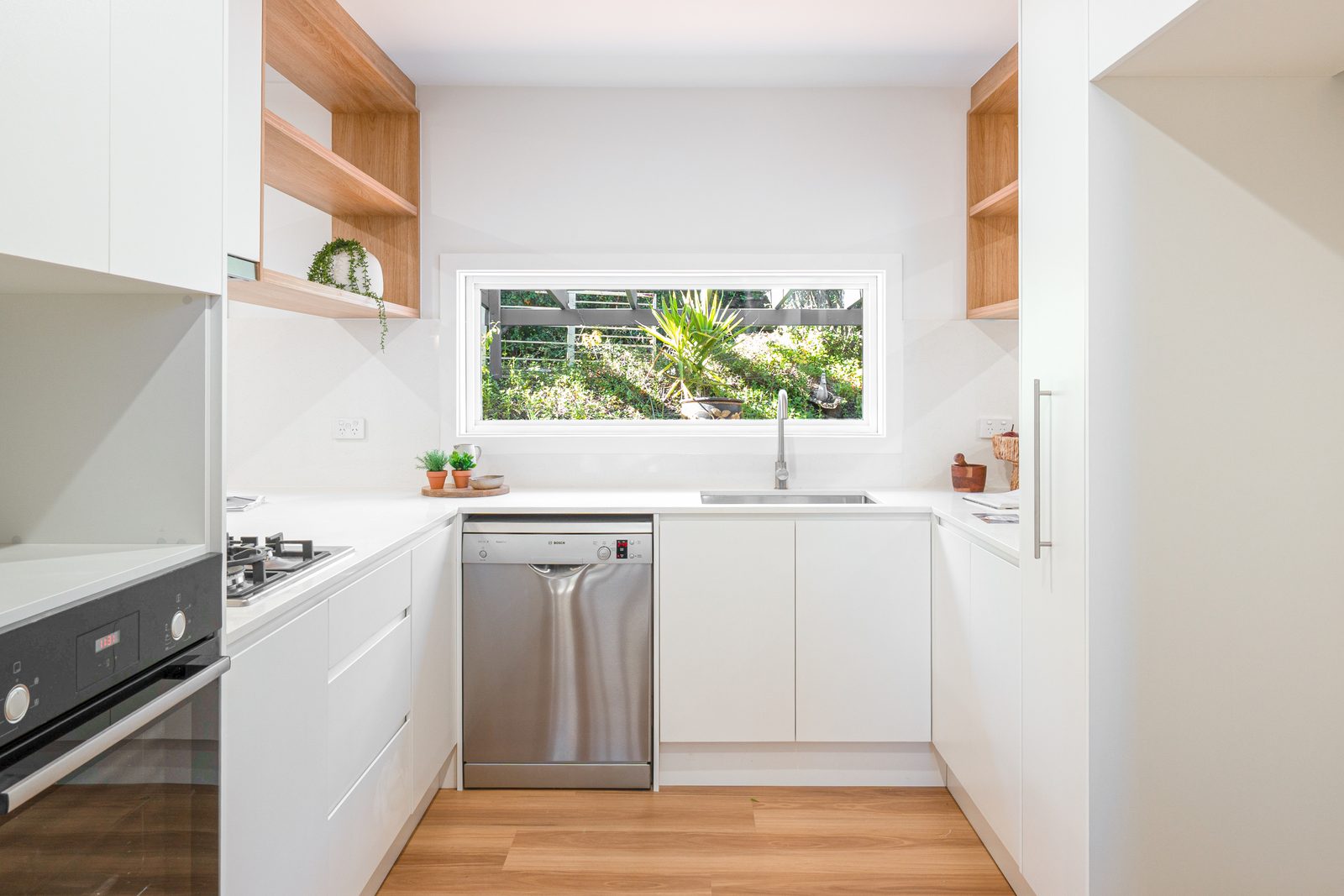
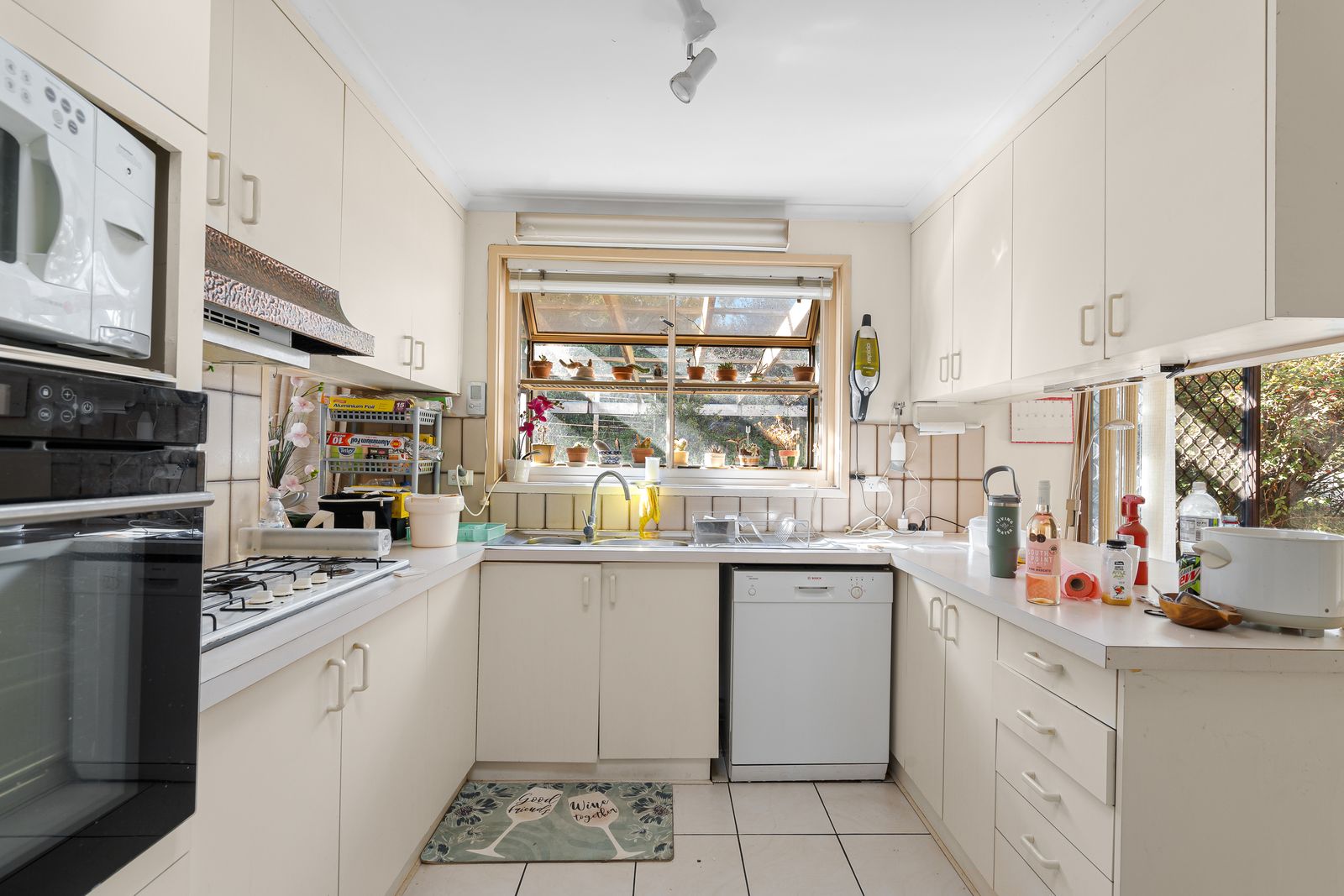
 BeforeAfter
A real Your Property Profits kitchen transformation in Canberra — drag the slider to compare before and after.
The kitchen is the room buyers judge first and remember longest, so it's the renovation sellers ask about most — and the real question underneath is almost always financial: if I spend money on the kitchen before I sell, will I get it back, and ideally a little more? It's a fair question, and it deserves a straight answer rather than a sales pitch. The short version is that a kitchen renovation can be one of the better-returning things you do before a sale in Canberra, but the return is never guaranteed, it depends heavily on your starting point and your suburb, and there are situations where the smartest financial move is to spend very little. This guide walks through what actually drives the return, where the money goes inside a kitchen, what it costs in Canberra, and how to work out whether yours is worth doing.
Return on investment sounds like a tidy number, but for a renovation it almost never is. Nobody can honestly promise that a $40,000 kitchen will add a set amount, or a fixed percentage, to your sale price — anyone who quotes you a firm figure before seeing your home and your suburb is guessing. The return on a pre-sale kitchen actually shows up in three different ways, and only one of them is a clean dollar figure:
Here is the part sellers most often miss: the size of that return depends far more on where you are starting from than on the kitchen you end up with. A tired, original kitchen in an otherwise good home carries a lot of buyer resistance, so updating it can shift the result meaningfully. A kitchen that is already clean and functional carries little resistance, so the same spend returns far less. That single idea — that you are buying back buyer confidence, not just installing cabinetry — sits underneath every decision below.
The worse the existing kitchen, the more a renovation tends to return, because you are removing a genuine objection rather than gilding something already fine. If buyers walk in and immediately think "I'd have to rip this out", that thought becomes a discount in their offer. If they think "dated, but perfectly usable", a lighter refresh may capture most of the available gain for a fraction of the cost. Be honest about which of those two your kitchen really is — it changes everything that follows.
Every street has a price buyers won't pay past, however good the kitchen. Spending on a high-end kitchen in a mid-market suburb is the classic way to overcapitalise: you spend the money, but the market simply won't hand it back at sale. Matching the level of finish to what buyers in your specific suburb expect is the single biggest lever on your return — which is why the same kitchen can be a smart investment in one street and a money-loser two suburbs over. We go deeper on this in our guide to what adds value before selling.
A well-judged mid-range kitchen usually returns better than a top-end one before a sale, because buyers reward "clean, modern and functional" far more reliably than they reward luxury. Sensible cabinetry, a benchtop that photographs well, a practical layout and good lighting do almost all of the persuading. Imported appliances, designer tapware and statement stone are lovely, but they rarely earn their premium back when you're selling rather than staying.
A cheap-looking renovation can cost you more than doing nothing, because a half-finished or obviously budget kitchen reads to buyers as a warning sign rather than a reassurance — it makes them wonder what else was done on the cheap. If a kitchen update is worth doing before a sale, it is worth finishing to a standard that looks intentional and complete. Better a smaller job done properly than a bigger job done visibly cheaply.
The same kitchen returns differently in a busy market and a slow one. When buyers are competing, presentation is what tips a good home into a great result; when they're cautious, a tired kitchen gives them an easy reason to hesitate or low-ball. In Canberra, listing when your home shows at its best — and when the market is active — compounds the value of the work, so it's worth planning the renovation around your sale campaign rather than the other way around.
Costs move with the scope, the size of the room, the finishes you choose and whether you change the layout, so treat the following as a guide rather than a quote. Broadly, there are three levels:
New benchtop, cabinet doors and handles, splashback, tapware and paint, keeping the existing layout and cabinet carcasses. This is usually the best value before a sale when the kitchen's underlying structure is sound — it modernises the look for well under the cost of a full kitchen, and for many sellers it is all that's needed.
A full new kitchen — new cabinetry, benchtops, appliances and finishes — to a good, standard specification typically tops out around $40,000 to $45,000 in Canberra. That is a complete, quality kitchen done properly, and for most homes it is the ceiling of what a pre-sale kitchen needs to be.
Bespoke cabinetry, stone splashbacks, integrated or imported appliances and significant layout changes sit above that standard range. These can be the right choice for a high-end home you are keeping, but before a sale they are the hardest level to recoup — the market rarely pays back the premium.
For the bigger picture on budgeting across the whole home, see our guide to pre-sale renovation costs, and our kitchen renovations page explains how we scope the work to your goal and budget.
Two kitchens the same size can cost very different amounts, and it's almost always the choices below that explain the gap. Knowing where the money goes helps you spend it where buyers notice and hold it back where they don't.
Cabinets typically account for the largest share of a kitchen budget, and the spread is huge. Flat-pack or standard-sized modular cabinetry is the economical end; custom cabinetry built to fit an awkward or oversized space costs considerably more. The cheapest move of all, when the existing cabinet boxes (carcasses) are still sound, is to reface — new doors, drawer fronts and handles on the old frames — which can modernise the look for a fraction of a full replacement. What pushes it up: custom sizing, soft-close everything, specialty finishes, and lots of tall or overhead units.
Benchtops are one of the easiest places to move the price up or down, because the materials sit on a clear ladder: laminate is the most economical (and modern laminates look genuinely good), engineered stone sits in the middle, and natural stone such as marble is the most expensive — before you even count thickness and edge detailing. Before a sale, a good-looking benchtop that photographs well does the job; the dearest stone rarely returns its premium.
Appliances are the sneaky line item. Freestanding appliances are cheaper than integrated ones, which need cabinetry built around them, and mainstream local brands cost a fraction of top-tier imported names. Clean, reliable, good-looking appliances present beautifully; buyers rarely pay extra at sale for a luxury badge they can't see behind a cabinet door.
This is the big one people don't expect. If you keep the sink, cooktop and appliances where they are, you avoid moving plumbing, gas and electrical — which is where costs and timelines climb fast. The moment you relocate a sink or move a wall you're adding trades, and sometimes waterproofing, making good of old work, or even building approval. Keeping the existing footprint is one of the most effective ways to keep a kitchen affordable, and it's a big reason two "new kitchens" can differ by many thousands.
Bigger kitchens use more of everything, so cost scales with size. Older kitchens can also hide surprises once the existing one comes out — dated wiring, water damage or uneven walls that must be made good before the new kitchen goes in. And the standard of finish matters: a properly project-managed job with quality trades costs more than the cheapest quote, but a visibly cheap finish costs you more again at sale.
Splashback, tapware, lighting and flooring are relatively low-cost but high-impact — this is where a modest spend does much of the "feels new" work, and where it's worth putting a little extra care before a sale.
The short version — what pushes the price up: custom cabinetry, stone benchtops and splashbacks, integrated or imported appliances, moving plumbing or walls, a large kitchen, and hidden repairs. What keeps it down: keeping the existing layout, refacing sound cabinets, laminate or mid-range engineered benchtops, freestanding mainstream appliances, and a straightforward, well-run scope.
For most sellers, a cosmetic refresh returns better than a full rebuild, because it lifts presentation at a fraction of the cost and captures most of the buyer confidence a new kitchen would. A full, standard kitchen makes more sense when the existing one is genuinely worn out, unsafe or unworkable — when there is no amount of paint and new doors that will hide the problem. The deciding question isn't "which is nicer" (a new kitchen always is), it is "which removes the buyer's objection for the least spend". Where your home sits between "dated but fine" and "needs replacing" is the answer. If you're weighing whether to do any of it at all, our guide on selling as-is versus renovating works through that trade-off.
You can't get a guaranteed number, but you can make a well-informed estimate. Work through it in this order:
Sometimes the highest-return decision is to spend little or nothing on the kitchen:
Even a good idea can lose money in the execution. The recurring ones we see:
A kitchen renovation tends to pay off when it removes a real buyer objection, is matched to your suburb, and is finished to a standard buyers trust — and tends to disappoint when it's a luxury spend on a mid-market street, a rushed job, or an update to a kitchen that didn't really need one. The maths is genuinely different for every home, which is exactly why a fixed ROI figure is the one thing worth being sceptical of. The most reliable way to know is to look at your specific kitchen through a buyer's eyes, against your specific suburb, and be honest about whether it's holding the sale back. If you'd like a straight second opinion before you commit a cent, book a free consultation — including, genuinely, if the answer is to leave it as it is.
Tell us about your home and your goal. We'll come back with honest advice on the smartest way forward — whether you're selling or staying.
📞 0411 648 908 · ✉️ hello@yourpropertyprofits.com.au
 Proud sponsor
 Proud sponsor
 Member
 Carbon-offset partner